
posts
How to Improve Open-Water Swimming Confidence for Triathlons
Dec
Introduction: Why Open-Water Swimming Feels So Challenging
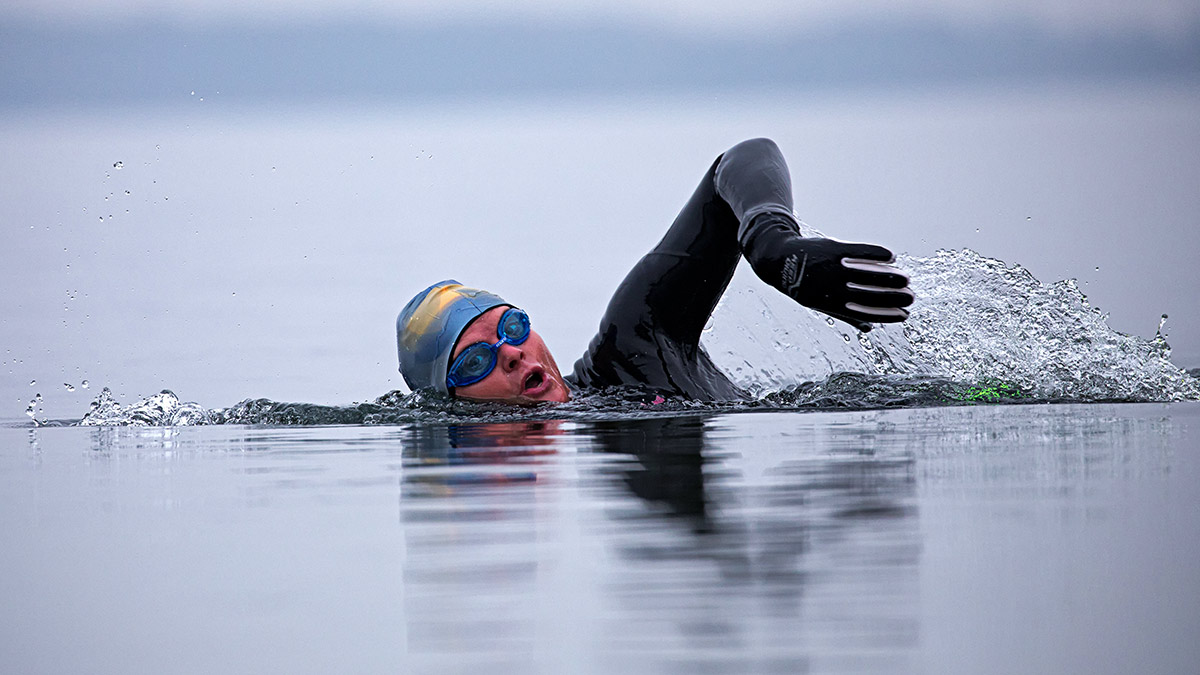
For many athletes entering triathlon racing, the open-water swim is the most mentally demanding part of the sport. Unlike pool swimming, where conditions are controlled and predictable, open water introduces uncertainty — cold temperatures, reduced visibility, waves, currents, and the presence of other swimmers all at once. Even strong pool swimmers can feel anxious the moment they step into a lake or sea. This lack of familiarity often leads to panic breathing, poor technique, and wasted energy before the bike leg even begins.
Confidence in open water is not about being fearless — it is about preparation, repetition, and trust in your training. When athletes lack confidence, they tend to rush the swim, over-kick, or hold their breath, which elevates heart rate and drains energy needed later on the triathlon racing bike and run. Learning to stay calm and controlled in open water can dramatically improve overall race performance and enjoyment.
At Tri-n-Win, we see open-water confidence as a skill that can be trained just like endurance or speed. With the right exposure, mindset strategies, and practical techniques, any triathlete — beginner or experienced — can turn the swim from a weakness into a steady, confident start. This guide breaks down how to systematically build that confidence so you can approach race day feeling prepared rather than overwhelmed.
Gradual Exposure: Building Familiarity Outside the Pool
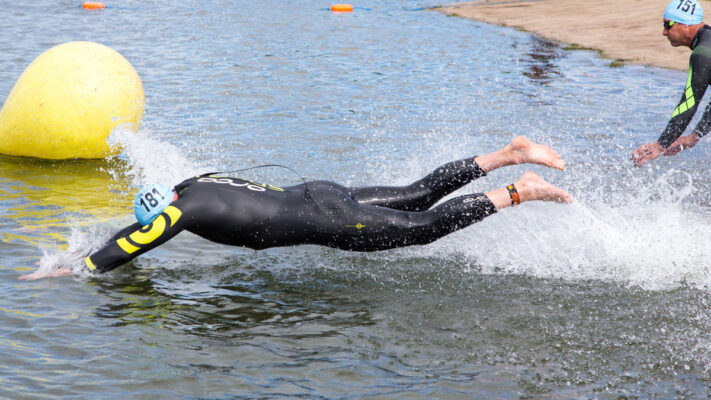
The most effective way to gain open-water confidence is consistent, progressive exposure. Many athletes delay open-water sessions until race season, which only reinforces fear. Instead, begin introducing outdoor swims early in your training cycle, starting with calm conditions and short durations. Focus on simply being comfortable in the water — floating, breathing, and swimming easily — rather than speed or distance.
Swimming in open water feels different due to temperature, buoyancy, and lack of visual reference points. Wearing your race kit, including wetsuit (if applicable), goggles, and tri suit, helps your body adapt to the sensations you’ll experience on race day. Cold water shock is one of the biggest causes of panic, so entering slowly and practising face immersion before swimming is essential. Over time, your nervous system learns that the environment is safe.
Group swims are especially valuable. Training with others replicates race-day conditions and reduces anxiety through familiarity. You’ll learn how it feels to swim close to others, deal with splashing, and maintain rhythm despite distractions. Just as you practise mounting your triathlon racing bike or running in your triathlon racing shoes, open-water swimming should be rehearsed regularly. Confidence grows not from talent, but from repeated positive experiences that teach your mind and body to stay calm under pressure.
Mastering Open-Water Skills That Build Confidence

Open-water swimming requires specific skills that are rarely practised in pools. One of the most important is sighting — lifting your head periodically to stay on course. Poor sighting leads to zig-zag swimming, wasted energy, and frustration. Practising smooth, efficient sighting during training helps maintain rhythm without disrupting breathing or body position.
Another key skill is learning to swim comfortably near others. Mass starts can feel chaotic, but avoiding contact entirely is unrealistic. Practising drafting behind or beside another swimmer helps conserve energy and reduces anxiety when space feels tight. Understanding how to reposition calmly if bumped is crucial for confidence and safety.
Breathing control is equally important. Anxiety often causes shallow, rapid breathing, which increases fatigue. Practising bilateral breathing and slow exhalation underwater improves oxygen efficiency and mental calmness. These skills allow you to exit the water composed, ready to focus on transitions, nutrition, and pacing — including smoothly switching your triathlon racing belt and settling into the bike leg.
Confidence comes from knowing you can handle unexpected situations. When you’ve practised these skills repeatedly, your brain no longer interprets them as threats, allowing you to swim efficiently and enjoy the experience rather than simply survive it.
Mental Strategies to Stay Calm on Race Day
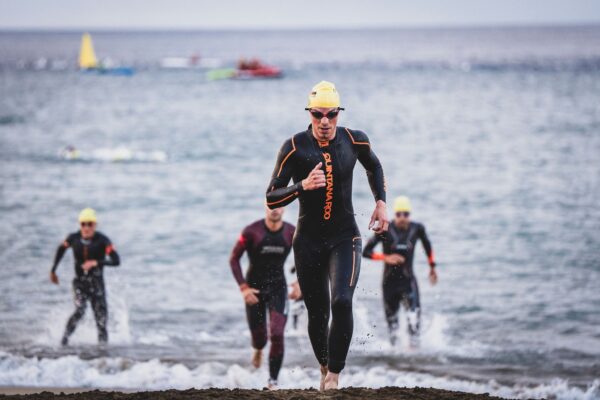
Mental preparation is just as important as physical training. Pre-race nerves are normal, but unmanaged anxiety can sabotage even the best preparation. Creating a simple, repeatable pre-swim routine helps calm the nervous system. This might include controlled breathing, light stretching, and visualising a relaxed, steady swim.
Breaking the swim into mental segments is another powerful tool. Instead of thinking about the full distance, focus on reaching the next buoy, the next 50 strokes, or simply maintaining rhythm for one minute at a time. This reduces overwhelm and keeps the mind focused on the process rather than fear.
Positive self-talk plays a major role. Remind yourself that discomfort is temporary and that you have trained for this moment. Confidence is built by reinforcing evidence — every successful open-water session proves you are capable. When your mind stays calm, your body conserves energy for the demands of triathlon racing, including the bike and run segments that follow.
Final Thoughts from Tri-n-Win
Open-water swimming confidence is not a talent you’re born with — it’s a skill developed through patience, exposure, and smart preparation. By practising in real conditions, mastering key skills, and training your mindset, you transform fear into familiarity. When the swim becomes controlled and calm, the rest of your race unfolds with greater efficiency and enjoyment.
At Tri-n-Win, we believe that confidence in the water sets the tone for the entire race. Treat the swim as an opportunity to settle in, not something to survive. With consistent practice and the right mindset, open water can become one of the most rewarding parts of your triathlon racing journey.
