
posts
Strength Training for Triathletes: What to Do (and What to Skip)

Dec
Introduction: Why Strength Training Deserves a Place in Triathlon
In triathlon racing, endurance training often dominates an athlete’s schedule. Long swims, bike sessions, and steady runs form the backbone of most plans. However, strength training plays a vital role in supporting these disciplines — improving efficiency, reducing injury risk, and helping athletes maintain form as fatigue sets in. When ignored, weaknesses accumulate and eventually limit performance.
Strength training for triathletes is not about bulking up or lifting maximal weights every session. Instead, it focuses on functional movement patterns, joint stability, and muscular balance. Swimming demands shoulder control, cycling relies on strong hips and glutes, and running requires impact tolerance and single-leg strength. A targeted strength programme enhances all three without adding unnecessary fatigue.
At Tri-n-Win, we encourage athletes to view strength work as an investment in longevity. When structured correctly, it allows triathletes to train more consistently, recover better, and perform at a higher level throughout the season.
The Benefits of Strength Training for Triathletes

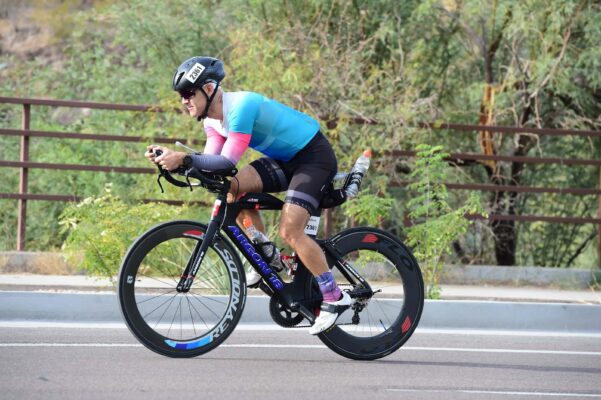
Strength training improves force production, allowing you to generate the same power with less effort. This translates into improved efficiency on the triathlon racing bike and better running economy. Stronger muscles fatigue more slowly, helping you hold form during the later stages of races.
Another major benefit is injury prevention. Many triathlon injuries stem from muscular imbalances, weak stabilizers, and poor movement control. Strength work addresses these weaknesses by reinforcing proper mechanics. This is especially important for athletes, increasing training volume or transitioning between disciplines.
Finally, strength training supports posture and technique. A strong core improves swim body position, reduces upper-body tension on the bike, and keeps running form stable when tired. These small gains add up significantly over race distance.
What to Do: Foundational Strength Training Exercises
The foundation of a good triathlon strength programme is compound movements. Exercises such as squats, deadlifts, lunges, and step-ups build strength across multiple joints, mirroring the demands of endurance sport. These movements develop the hips and legs, which are central to power output and stability.
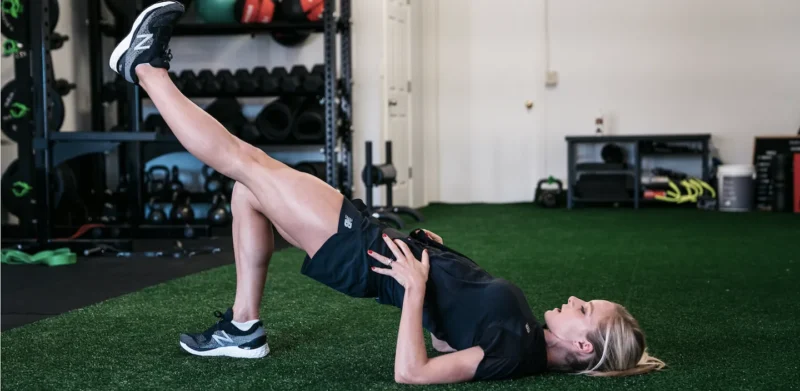
Single-leg exercises are particularly valuable. Split squats, single-leg deadlifts, and step-ups replicate the unilateral nature of cycling and running, helping to correct imbalances and improve coordination. These exercises also place less overall load on the spine, making them safer for endurance athletes.
Upper-body strength should support swimming efficiency rather than size. Rows, pull-ups, resistance band work, and scapular stability exercises strengthen the muscles responsible for propulsion and shoulder health.
Core Strength: The Engine Behind Efficient Movement
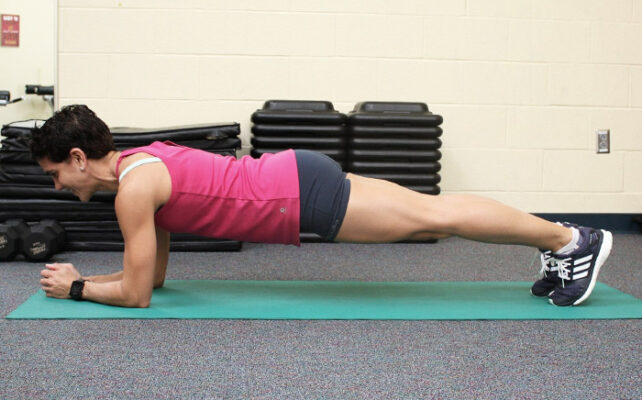
Core training for triathletes should prioritize stability over crunches. Planks, side planks, dead bugs, and anti-rotation exercises build endurance-based strength that supports all three disciplines. A strong core prevents excessive movement, allowing energy to transfer efficiently through the body.
Rotational strength is especially useful for swimming, while anti-extension strength supports cycling posture. Short, consistent core sessions are far more effective than infrequent, exhausting workouts.
What to Skip: Common Strength Training Mistakes
One of the most common mistakes is chasing muscle fatigue or soreness. High-repetition isolation exercises and bodybuilding-style routines add mass and recovery demands without improving endurance performance. Excessive soreness can interfere with swim, bike, and run quality.
Another mistake is lifting too heavy, too often. Constantly testing maximum lifts increases injury risk and central fatigue. Strength training should enhance triathlon racing, not compete with it.
Poor timing is also a frequent issue. Strength sessions placed before key endurance workouts reduce quality. Just as you wouldn’t race in untested triathlon racing shoes, you shouldn’t introduce new strength exercises close to race day.
How to Integrate Strength Training Into Your Triathlon Plan
During the off-season and base phase, strength training can be performed two to three times per week, focusing on technique and progressive overload. As race season approaches, reduce volume and shift towards maintenance.
Sessions should be concise — 30 to 45 minutes — and scheduled after easy endurance days or combined with shorter workouts. This keeps high-intensity days focused and recovery manageable.
Final Thoughts from Tri-n-Win
Strength training is not about doing more — it’s about doing what supports performance. When aligned with endurance goals, it builds durability, efficiency, and confidence. Skipping unnecessary exercises and focusing on functional strength allows triathletes to train harder and race smarter.
At Tri-n-Win, we believe well-planned strength training is one of the most underrated tools in triathlon racing. Train with purpose, respect recovery, and let strength work elevate every part of your performance.
