
posts
How to Pace a Triathlon Properly (Swim, Bike & Run Breakdown)
Dec
Introduction: Why Pacing Is the Most Underrated Skill in Triathlon Racing
In triathlon racing, fitness is only half the equation. The other half — often overlooked — is pacing. You can be exceptionally well-trained and still have a disappointing race if you pace it poorly. Unlike single-discipline endurance sports, triathlon places cumulative stress on the body. Every decision you make in the swim affects the bike, and every choice on the bike directly influences how well you run.
Many athletes make the mistake of racing emotionally rather than strategically. Adrenaline at the start line, the excitement of overtaking others, or the fear of falling behind can push athletes well above sustainable effort. These early surges feel harmless in the moment, but they drain glycogen stores, elevate heart rate, and accelerate fatigue — consequences that only appear later when it’s too late to fix them.
Proper pacing allows you to express your fitness evenly across all three disciplines. A well-paced race feels controlled, uncomfortable but manageable, and increasingly rewarding as others slow down. At Tri-n-Win, we believe pacing is a trainable skill. When mastered, it transforms triathlon racing from survival mode into confident performance.
This guide breaks down how to pace each leg — swim, bike, and run — with detailed strategies, common mistakes, and practical tips to help you race smarter from start to finish.
Swim Pacing: Setting the Tone for the Entire Race

Why the Swim Should Never Be an All-Out Effort
The swim is the shortest part of most triathlons, yet it is where pacing errors most commonly occur. Mass starts, cold water, and physical contact trigger a stress response that sends heart rate soaring. Many athletes unintentionally sprint the first few minutes, believing they need to “get through the chaos.” In reality, this approach creates panic breathing, poor technique, and wasted energy.
The primary goal of swim pacing is not speed, but control. A well-paced swim allows you to exit the water with steady breathing, a manageable heart rate, and enough energy to ride efficiently. Any seconds gained by swimming harder are quickly lost if you struggle on the bike.
The First 5–10 Minutes: Managing Adrenaline and Breathing
The opening phase of the swim should feel almost too easy. This is intentional. Focus on long strokes, relaxed shoulders, and controlled exhalation underwater. If you struggle to breathe rhythmically, you are swimming too fast.
Cold water shock is another factor. Entering the water calmly, splashing your face, and taking controlled breaths before starting helps reduce panic. Starting wide or slightly behind the main pack can also reduce stress for newer athletes.
Finding Rhythm and Drafting Efficiently
Once settled, aim for a pace you could maintain comfortably for the full swim distance. This is usually slightly slower than your pool race pace due to open-water conditions. Drafting behind or beside another swimmer can significantly reduce effort, but only if it doesn’t disrupt your stroke or breathing pattern.
Sighting should be efficient and minimal. Excessive head lifting increases drag and fatigue. A smooth, confident rhythm is the hallmark of good swim pacing.
A controlled swim sets you up for a calm transition and a productive ride on your triathlon racing bike.
Transition 1 (T1): Reset, Don’t Rush
Transitions are often overlooked in pacing discussions, but they matter. A frantic transition keeps heart rate elevated and delays recovery from the swim. Use T1 as an opportunity to slow your breathing and mentally reset.
Move deliberately. Get your helmet on, grab your bike, and leave transition smoothly. A calm transition helps your body adjust from horizontal swimming to upright cycling and prepares you for steady bike pacing.
Bike Pacing: The Most Important Discipline to Get Right
Why the Bike Determines Your Run Performance
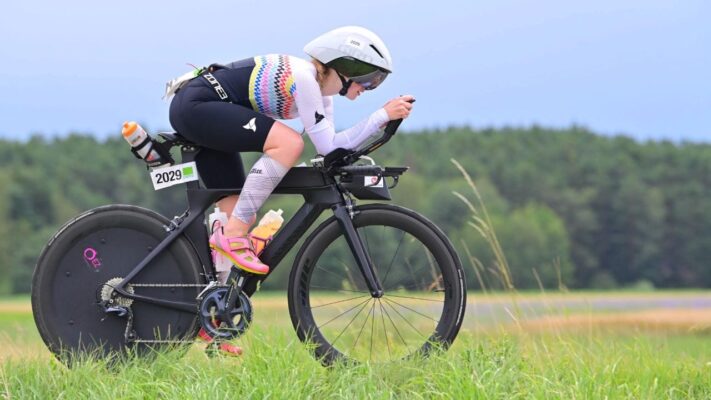
The bike leg is where triathlon racing is truly decided. It is the longest portion of the race and the discipline where athletes can cause the most damage to their run. Because cycling feels easier than running, many athletes ride harder than they should — especially early on.
Overbiking leads to muscular fatigue, depleted glycogen, and elevated heart rate. These issues often don’t surface until the run, where athletes suddenly feel heavy-legged and unable to maintain pace.
The goal of bike pacing is even effort, not maximum speed.
Early Bike Leg: Settle In and Resist the Urge to Push
The first 10–15 minutes of the bike should feel controlled and almost conservative. Heart rate and breathing are still elevated from the swim, and pushing too hard here compounds fatigue.
Focus on cadence, posture, and smooth pedalling. Ignore other athletes passing you — many will pay for it later. Riding within your sustainable effort allows your body to stabilise and prepares you for a strong second half of the bike.
Managing Flats, Climbs, and Descents
On flat terrain, aim for steady power rather than speed. Wind, terrain, and course conditions affect speed, so effort is a better pacing guide than pace alone.
Climbs are where many athletes blow their race. Avoid standing and surging unless absolutely necessary. Shift early, maintain cadence, and keep effort controlled. On descents, use the time to recover, hydrate, and fuel.
A well-paced bike allows you to eat and drink consistently — essential for maintaining energy levels into the run.
Nutrition and Pacing Go Hand in Hand
Bike pacing and nutrition are inseparable. Riding too hard suppresses digestion, making it difficult to absorb carbohydrates. A controlled effort allows regular fueling and hydration, setting up a successful run.
As you approach the end of the bike leg, gradually ease the intensity. This helps your legs adapt to the upcoming run and makes the transition smoother, including putting on your triathlon racing belt efficiently.
Transition 2 (T2): Prepare for the Hardest Discipline
T2 is where fatigue often becomes noticeable. Legs may feel awkward or heavy — this is normal. Avoid rushing. A controlled transition helps your body adapt from cycling to running.
Take a few deep breaths, put on your triathlon racing shoes, and leave transition with patience rather than urgency.
Run Pacing: Where Discipline and Patience Pay Off
Why the Run Exposes Every Earlier Mistake
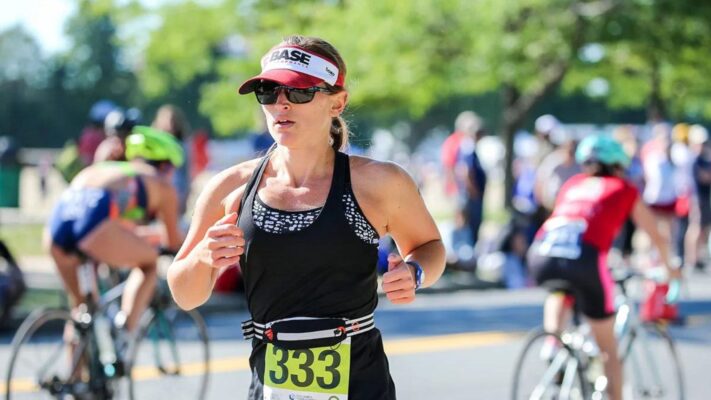
The run is the final test of your pacing strategy. Any errors made during the swim or bike become obvious here. Athletes who overpaced earlier often struggle within the first few kilometres, while those who paced well gradually move through the field.
The key to run pacing is restraint.
The First 2–3 Kilometres: Slower Than You Think
The opening kilometres should feel deliberately controlled. Legs often feel stiff or uncoordinated, but this usually settles. Starting too fast here is the most common run pacing mistake in triathlon racing.
Focus on cadence, posture, and relaxed breathing. Let pace come naturally rather than forcing it.
Settling Into Rhythm and Building Confidence
Once the body adapts, gradually bring pace up to a sustainable effort. This is not about chasing a specific time, but about maintaining control. Check in with breathing and form regularly.
Aid stations are opportunities to hydrate, cool down, and briefly reset effort. A steady, even pace through the middle of the run is far more effective than alternating between sprinting and slowing.
The Final Kilometres: Earning the Finish
If pacing has been correct, you should feel capable of increasing effort slightly in the final section. This does not mean sprinting blindly, but rather tightening focus and maintaining strong form.
Finishing strong is one of the most satisfying experiences in triathlon — and it is earned through disciplined pacing across all three disciplines.
Common Pacing Mistakes to Avoid
- Treating the swim as a sprint
- Overbiking to “bank time”
- Ignoring nutrition due to high effort
- Starting the run too fast
- Racing others instead of your own plan
Avoiding these mistakes leads to more consistent, enjoyable racing.
Final Thoughts from Tri-n-Win
Proper pacing is the foundation of successful triathlon racing. It allows your fitness to shine rather than be wasted. When you stay calm in the swim, disciplined on the triathlon racing bike, and patient in your triathlon racing shoes, the race unfolds smoothly and confidently.
At Tri-n-Win, we believe pacing is the skill that turns hard training into great racing. Master it, and you’ll not only finish faster — you’ll enjoy the journey far more.
