
posts
The Ultimate 2025 Triathlon Watch Showdown

Sep
Introduction
Triathlon watches have become essential tools for modern triathlon racing, offering athletes real-time data across swim, bike and run segments, advanced GPS accuracy, multi-sport tracking and detailed post-race analytics. As races have become more competitive, and as training approaches continue to evolve, the need for a reliable and intelligent multisport watch has only grown. In 2025, manufacturers have pushed technology further, giving triathletes features such as next-generation GNSS systems, enhanced wrist-based power metrics, improved battery life, advanced recovery dashboards and seamless transitions between legs of a race.
For athletes training on land and in open water, and especially those coordinating their efforts with a triathlon racing bike, watches now play a role in pacing, fuelling cues and transition planning. Many watches even pair directly with cadence sensors, chest straps, indoor trainers and smart insoles worn inside triathlon racing shoes, making them a central hub for performance data. This expanded functionality helps triathletes get the most out of their training sessions, whether it’s a long brick workout or a high-intensity interval session.
At Tri-n-Win, we understand that choosing the right triathlon watch can feel overwhelming. The 2025 models offer a wide variety of specialisms — some watches prioritise battery life, some emphasise mapping and navigation, others focus on speed metrics for cycling, and some elevate recovery tracking above everything else. This guide compares the best triathlon watches of 2025 in detail, breaking down their strengths, limitations, value for money and suitability for different levels of triathlete.
Whether you’re racing with a triathlon racing belt for your first sprint or managing power zones for a full Ironman, the right watch can elevate your performance and confidence on race day.
Garmin Forerunner 975 — Best All-Round Triathlon Watch

Garmin’s Forerunner 975 is widely considered the most complete triathlon watch for 2025, offering a blend of high-end performance, intelligent training tools and lightweight comfort. Designed specifically for athletes who train year-round across all three disciplines, the 975 delivers industry-leading GPS accuracy thanks to its multi-band GNSS chipset and an upgraded antenna for stronger reception in forests, urban environments and open-water locations. For triathlon racing, this means more reliable pacing, more accurate swim path tracking and cleaner cycling and running data during long sessions.
Its standout feature is the adaptive training readiness system, which evaluates sleep quality, recovery metrics, HRV, stress levels and previous training load. This allows athletes to plan smarter workouts and avoid burnout — something vital when balancing long swim sets, intense rides on a triathlon racing bike, and tempo runs in triathlon racing shoes. The watch also includes wrist-based running power, cycling power support, open-water swim metrics, triathlon/multisport mode, and automatic transition tracking.
Battery life is another major selling point. With up to 35 hours in full GPS mode, the 975 can comfortably support athletes through Ironman distance races or back-to-back long training days. The bright AMOLED display improves visibility under sunlight and during pool sessions, while the lightweight build ensures comfort, even when used with a snug triathlon racing belt during the run segment.
Overall, the Forerunner 975 offers the best balance between price, performance and durability, making it the top choice for both intermediate and advanced triathletes who want a dependable all-rounder.
Polar Vantage V3 — Best for Heart-Rate Accuracy and Recovery

Polar has always been respected for its heart-rate sensor technology, and in 2025 the Vantage V3 continues to excel where it matters most: precision, recovery insights and long-session endurance. Unlike some competitors that rely heavily on HRV alone, the Vantage V3 blends wrist HR, optical sensors, oxygen saturation readings and skin temperature patterns, offering a deep understanding of your physical state. For athletes involved in demanding triathlon racing, this allows better planning of intensity levels and more responsible training progression.
The watch features Polar’s signature Training Load Pro and Recovery Pro systems, which break your performance down into muscular load, cardiovascular load and perceived exertion — giving athletes a rounded view of their overall strain. For brick sessions involving a session on the triathlon racing bike followed by a run in triathlon racing shoes, these tailored metrics help you spot early signs of fatigue or overtraining before they become performance-limiting.
In terms of durability, the V3 offers rugged construction, excellent water resistance for open-water swimming, and a high-contrast screen that remains visible even in unpredictable British weather conditions. Navigation features, including turn-by-turn guidance and route import, make it a strong companion for long outdoor cycling sessions and new running routes.
Battery performance is strong, with around 40 hours in full GPS mode — meaning it outperforms many rivals for long-distance athletes. While it may not have the flashy AMOLED displays of some premium devices, its focus on accuracy and reliability makes it a favourite for athletes who want deeply actionable training feedback rather than surface-level data.
If performance consistency is your priority, the Vantage V3 is a dependable, science-driven choice.
COROS Pace 3 Pro — Best Lightweight Watch for Speed-Focused Athletes
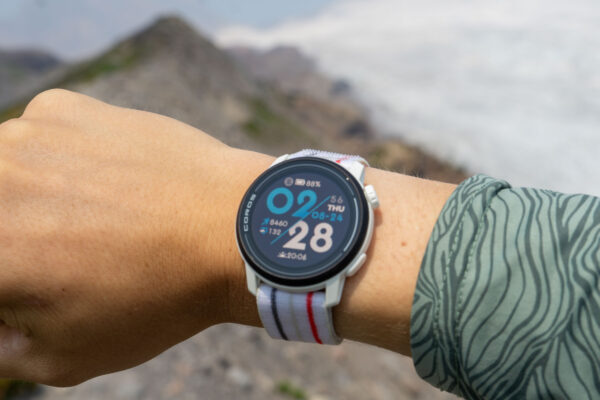
For triathletes who prioritise speed, comfort and minimalist design, the COROS Pace 3 Pro is one of the most compelling options in 2025. Known for its feather-light build and exceptional battery life, the Pace 3 Pro suits athletes who prefer wearing a watch that feels almost invisible during intense triathlon racing sessions. With upgraded dual-frequency GPS, COROS ensures excellent accuracy across swim, bike and run segments — especially beneficial for athletes racing in crowded city centres or heavily wooded environments.
One of the strongest advantages of the Pace 3 Pro is its performance during cycling. When paired with sensors on a triathlon racing bike, the watch offers power data, cadence readings, aerodynamics metrics and seamless transitions into multisport mode. The watch’s refined Chipset 3.0 significantly improves responsiveness, meaning real-time pace updates and GPS corrections now occur more quickly and more reliably.
COROS’ EvoLab system provides insightful post-session analytics, including stamina estimates, running efficiency and fatigue tracking. These tools help athletes maintain consistent pacing, particularly during the run when fatigue hits and you’re relying heavily on your triathlon racing shoes. For longer sessions, battery life is a standout feature, offering up to 45 hours of GPS tracking and around 25 days of regular use — making it ideal for endurance athletes or those travelling for races.
Its lightweight build also prevents wrist fatigue during long swim sets or multisport events. While the Pace 3 Pro may lack some of the smartwatch features of Garmin or Polar, its athlete-focused performance makes it an excellent choice for triathletes who want speed, value and accuracy without paying for unnecessary extras.
Apple Watch Ultra 3 — Best Smartwatch for Lifestyle + Triathlon Functionality
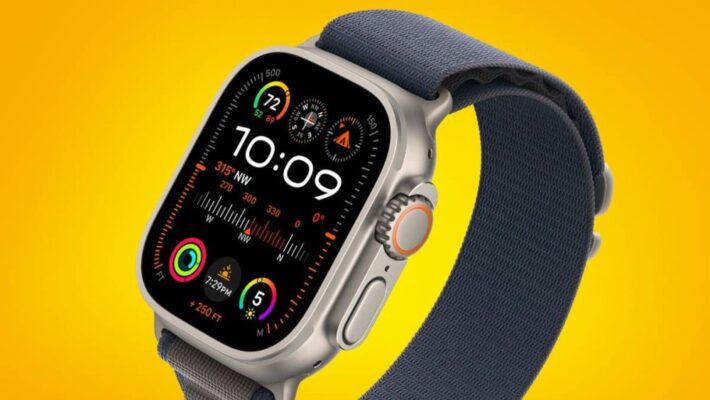
For triathletes who want a device that blends premium smartwatch features with triathlon performance, the Apple Watch Ultra 3 stands alone. While not traditionally classed as a “pure” triathlon watch, the Ultra 3 has become increasingly popular among multi-sport athletes in 2025 thanks to significant improvements in battery life, GPS accuracy and multisport app support. Athletes involved in triathlon racing appreciate its crisp micro-LED display, which is brighter and easier to read in both low-light swims and sunny bike sessions.
Using supporting apps such as WorkOutDoors and Tri Tracker, the Ultra 3 offers reliable multisport tracking, automatic lap detection in open water, cycling power meter compatibility and detailed mapping. When paired with a triathlon racing bike, it delivers precise power data, heart-rate monitoring and fast-updating pace calculations, making it surprisingly competitive against traditional multisport brands.
The durability of the Ultra 3 is another strength. Built with titanium casing and enhanced water resistance, it holds up well in rough seaside swims, cold conditions and long sessions. For running, the haptics and alert customisation improve pacing accuracy, which is helpful when you’re trying to maintain a steady rhythm in your triathlon racing shoes during the final leg of a race.
While the Ultra 3’s battery still doesn’t quite match dedicated ultra-endurance watches, it’s now more than enough for sprint and Olympic triathlons and can handle most half-Ironman races with smart battery settings. Its biggest draw is everyday use: sleep tracking, messaging, safety features, mobile connectivity and music playback make it ideal for athletes who want a single watch for both training and lifestyle.
If you value versatility and premium design, the Ultra 3 is the smart-triathlon hybrid that delivers.
Final Thoughts
Choosing the best triathlon watch for 2025 depends entirely on your goals, your training style and how deeply you rely on performance data. For many athletes, the Garmin Forerunner 975 remains the top choice because of its exceptional balance between features and endurance. The Polar Vantage V3 provides the best recovery intelligence, making it perfect for those who train intensively or are prone to overreaching. Meanwhile, the COROS Pace 3 Pro delivers lightweight precision for speed-focused athletes and minimalists. Finally, the Apple Watch Ultra 3 stands out as the best smartwatch-triathlon hybrid for athletes who want top-tier lifestyle functionality alongside strong race features.
Regardless of which watch you choose, it’s important to remember that data alone doesn’t make you faster. The true benefit comes from consistent training, thoughtful pacing and learning how your body responds to various segments of triathlon racing. A watch is a tool that enhances, not replaces, good technique and structured training. Whether you are securing your triathlon racing belt in transition, mounting your triathlon racing bike, or pushing through tired legs in your triathlon racing shoes, having the right data at the right time can elevate your performance.
At Tri-n-Win, we recommend looking for a watch that feels intuitive, reliable and comfortable enough to wear through long training blocks. A good triathlon watch should support your ambition, simplify your race experience, and give you the confidence to push harder when it matters most.
