
posts
Best Triathlon Shoes 2025 – A Buyer’s Guide

Sep
Introduction
Choosing the right footwear for triathlon racing is more than a purchase — it’s a strategic decision that affects speed, comfort, transition times, and, ultimately, race performance. In 2025, the market for both tri-specific cycling shoes and fast race running shoes is richer than ever: brands refine quick-entry features for transitions while running shoe makers push lightweight, responsive foams that help you hold pace after hours on the bike. For athletes who treat every second — and every stride — as precious, picking the correct pair can shave minutes off a finish time and reduce the risk of blisters, hotspots, and fatigue.
This guide separates the two essential camps: triathlon cycling shoes (designed for rapid entry, drainage, and on-bike power transfer) and running shoes optimised by athletes for the final run leg. Each category has unique fit, fastening, and sole-stiffness considerations, so we cover buying criteria, our top 2025 picks, and practical advice on testing, breaking in, and maintaining shoes for race longevity. Equipment choices don’t sit in isolation: how a shoe mates with your triathlon racing bike (cleat position, stack height) or how comfortable your triathlon racing shoes are when sockless impacts transition speed and running economy. We’ll also explain how a simple tool — your triathlon racing belt — interacts with footwear decisions on race day.
Below you’ll find an evidence-based buyer’s framework, individual model write-ups for both running and cycling tri-shoes, and actionable tips to help you choose a pair that fits your body, budget, and race goals for 2025. For context on recent market rankings and lab testing that informed our picks, see multi-brand reviews and specialist tests referenced throughout.
Buying criteria: what matters for triathlon shoes in 2025
Before listing specific models, it’s worth laying out the objective criteria that distinguish a great triathlon shoe in 2025. For triathlon racing, the priorities split between cycling and running shoes, and the buyer who understands the trade-offs chooses more confidently. For cycling tri-shoes, the essential attributes are fast entry (wide heel cup and single-pull closures), excellent ventilation/drainage, a stiff sole for power transfer, and a secure heel hold so you don’t lose watts when sprinting or climbing. Tri-specific shoes often sacrifice little walkability to speed transitions, so check sole ergonomics if you’ll be running in shoes during transitions.
Running shoes for triathlon focus on lightweight construction, quick-drying uppers for sockless transitions, and responsive midsole foams that provide both cushioning for marathon distance and lively rebound for race pace. Stack height and plate technology matter for longer events — super-shoe style plates can return energy but may be less comfortable for some athletes after a long bike leg. Fit and width should match your gait analysis; a shoe that pinches will create hotspots that ruin a race. Another important dimension in 2025 is sensor compatibility: some triathletes now use footpods or smart insoles inside their triathlon racing shoes for cadence and stride metrics — so check insole space and secure fit.
Durability, weight, fastening systems (BOA, velcro, lace) and brand support (spare parts, warranty) round out the list. Finally, try before you buy where possible: the feel of a shoe on a turbo or short brick session tells far more than specs. For lab-tested performance and long-term value, independent reviews and group tests remain invaluable.
Top running shoes for triathlon 2025 — detailed reviews and who they suit
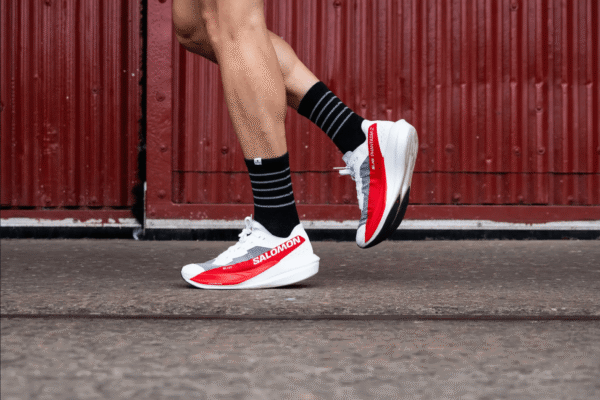
In 2025 several running models stand out for triathlon usage because they balance weight, cushioning and durability after a bike leg. The Salomon S/Lab Phantasm 2 continues to lead for sprint-to-Olympic distances: it’s feather-light, breathable and provides a snappy toe-off that helps maintain cadence coming off the bike. For athletes who prefer a bit more cushioning without losing responsiveness, the Saucony Endorphin Speed 4 and the Brooks Hyperion Max 2 deliver stable stack height with carbon or plate-like responsiveness; both are versatile choices for long-run segments where muscle fatigue is a factor. If you race longer distances, consider marathon-grade super-shoes — the ASICS Metaspeed or Nike Vaporfly families remain popular for their energy return at race pace, though some athletes find the ride less forgiving immediately after a long cycle.
Practical considerations: test these shoes sockless if you plan no-sock transitions, and run several brick sessions (bike → short run) to assess how the shoe feels when legs are already tired. Watch for upper material that dries quickly — synthetic, perforated uppers reduce water retention and blister risk during races that include wet starts. Also check heel counter stability; a secure heel reduces slippage in the critical opening kilometres. Most 2025 running picks also offer good aftermarket insoles or orthotic compatibility, which helps triathletes who need custom support.
Our shortlist reflects labs and specialist testing this year as well as real-world triathlete feedback: Salomon S/Lab Phantasm 2, Saucony Endorphin Speed 4, Brooks Hyperion Max 2 and a selection of marathon super-shoes for long-course athletes. These models cover sprint rocket to Ironman marathon use, depending on your distance and tolerance for carbon plate rides.
Top triathlon cycling shoes 2025 — quick entry, drainage, and power
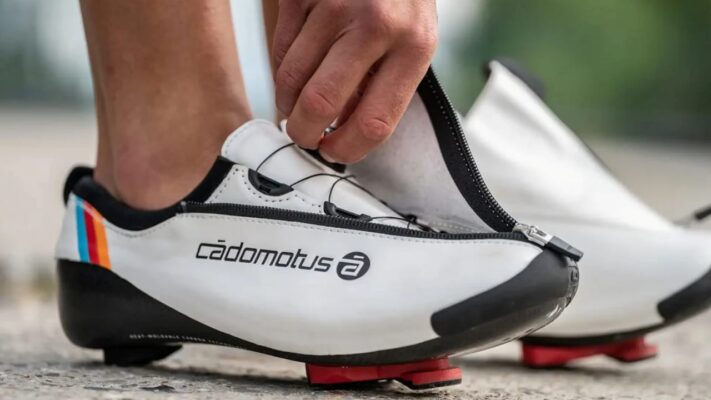
Triathlon-specific cycling shoes in 2025 are refined for race efficiency: rapid don/doff, open uppers for drainage, and soles tuned for stiffness and comfort while clipped in. The Shimano TR9 and TR901 lines are frequently cited as benchmark tri-shoes, combining a tri-friendly fit, Velcro or quick-pull closures for transitions, and excellent power transfer for sprint and Olympic distances. Mavic’s Ultimate Tri has gained high marks for ventilation and power transfer, though its premium price places it in podium gear territory. For athletes who value a slightly wider fit, Pearl Izumi’s Tri Fly and Louis Garneau models offer roomy toe boxes and fast lacing systems that still secure the foot well under load.
When choosing a triathlon racing bike shoe, cleat system compatibility (SPD-SL vs 3-bolt), sole stiffness rating, and heel retention are vital. Pay attention to the design of the heel loop and large entry zone — these make sockless entry reliable and fast in T1 and T2. Weight matters on hilly courses, but a slightly heavier, stiffer shoe can be more durable in long seasons. For many triathletes, a shoe that balances walkability with stiffness is the best compromise — you’ll walk through transitions and sometimes across uneven terrain.
Independent roundups and group tests in 2025 highlight Shimano, Mavic, and Pearl Izumi among the top tri-shoe choices, reflecting consistent engineering improvements in quick entry and cooling. If you race in wet or cooler climates, consider models with quicker drying fabrics and secure heel cups to avoid heat loss and slippage.
How to test, break in, and maintain your triathlon shoes
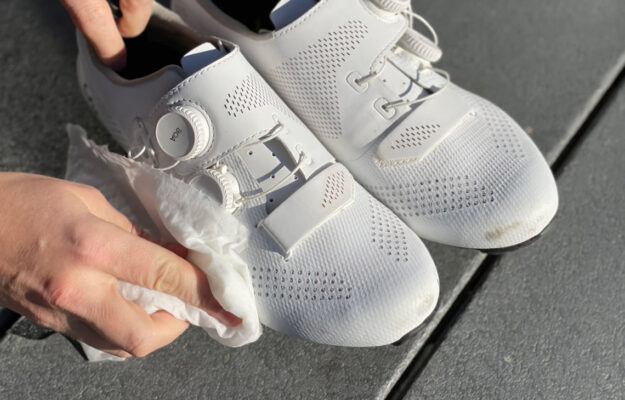
Buying the right shoe is step one — getting it to perform on race day requires testing and maintenance. Always perform at least three real-world sessions in a new pair before racing: two steady efforts and one brick (bike → run). The brick reveals how the shoe feels with pre-fatigued legs; if you notice hotspots or heel slip, address them early with lacing tweaks, insoles, or different socks. For cycling tri-shoes, practice clip-in and clip-out drills repeatedly in a safe environment; cleat position adjustments can drastically change comfort and power delivery.
Maintenance is straightforward but crucial. Rinse shoes after open-water or rainy rides and air-dry them away from direct heat to avoid midsole breakdown. For running shoes that get wet during transitions, remove insoles and stuff with newspaper to speed drying — this prevents bacterial growth and odour while preserving cushioning. Replace running shoes every 400–600 km, depending on build and your bodyweight; cycling shoes have a longer lifespan, but check for sole flex, broken eyelets, or worn heel cups. Keep spare cleat bolts and a basic saddlebag flat kit for unexpected race problems.
If you use smart insoles or footpods inside your triathlon racing shoes, follow the manufacturer’s care instructions and avoid machine washing. For tri-shoes with BOA dials, clean and lightly lubricate dials periodically to ensure smooth action under race stress. Small preparation steps — a quick transition practice with your shoes laid out beside your triathlon racing belt — will make race morning calmer and shave valuable seconds off your time.
Gear pairing: how shoes interact with the bike, belt, and transitions
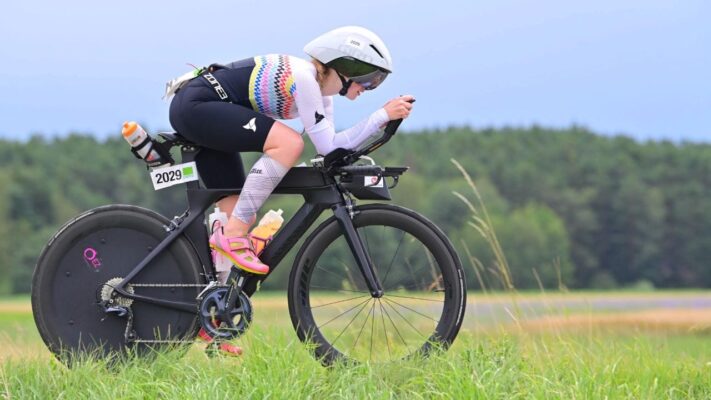
A winning shoe only helps if it integrates well with your triathlon racing bike setup and transition plan. Cleat position on the shoe must align with your pedal and saddle height to avoid knee strain and optimise power. If you change shoe brands, recheck cleat alignment on the trainer — even a few millimetres shifts affect comfort over race distance. Consider stack height (sole thickness) when pairing shoes to pedal – taller stack heights can slightly change biomechanics and saddle fit, especially for very aerodynamic tri bikes.
Your triathlon racing belt and run footwear choices influence transitions. Many triathletes run sockless and prefer shoes with wide, easy entry — check that heel loops and internal tongues slide over wet feet without snagging the belt. Practice rotating your belt from back to front with shoes already clipped on the rack; small coordination drills let you mount the belt and run with no fumbling. Also, think about shoe storage in transition: some triathletes pre-open straps or loosen BOA dials so the foot slides in nearly hands-free, but keep safety in mind — ensure the shoe won’t slip off when you sprint out of T2.
Finally, test your shoe choice on the actual bike: do your ankles feel stable under sprint efforts? Can you comfortably run a few kilometres off the bike? If not, adjust cleats or consider alternative models. The best race setup is one that feels like an extension of your body — shoes included. Small rehearsals combining shoes, belt and triathlon racing bike reduce surprises and boost confidence on race morning.
Final thoughts
Selecting the best triathlon racing shoes in 2025 involves balancing competing priorities: transition speed, power transfer, comfort, and durability. For the run leg, lightweight, responsive racing trainers such as the Salomon S/Lab Phantasm 2 or Saucony Endorphin Speed 4 provide sprint-to-marathon versatility depending on distance and athlete preference. For the bike, triathlon-specific cycling shoes from Shimano, Mavic, and Pearl Izumi deliver fast entry, strong ventilation, and efficient pedalling — traits every triathlete values. Your final choice should reflect race distance, course profile, and whether you favour marginal gains from carbon-plate running shoes or the practical reliability of tri-shoes made for quick transitions.
Don’t overlook the small but critical interaction between shoe choice and other kit. A properly adjusted cleat, a well-fitted shoe that dries quickly, and seamless coordination with your triathlon racing belt and bike setup will make more of a difference on race day than chasing the lightest model on the market. Test shoes in brick sessions, check reviews and labs for objective metrics, and remember that personal comfort often outweighs headline specs.
At Tri-n-Win, we recommend starting with a shoe that feels predictable under stress and upgrading incrementally as you learn your preferences. Invest time in fit and trial more than the budget alone. With the right shoes, your transitions become smoother, your run legs stronger, and your race day far more enjoyable. Happy testing — and race well.
